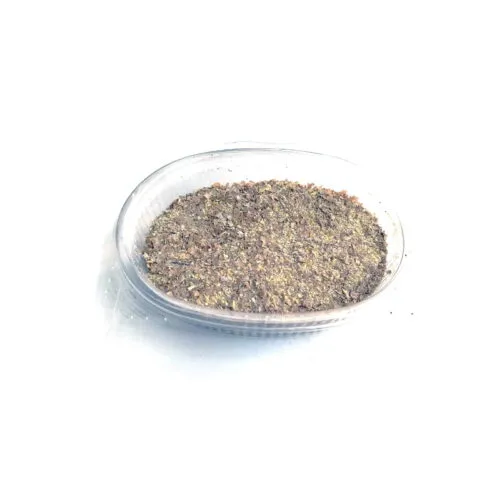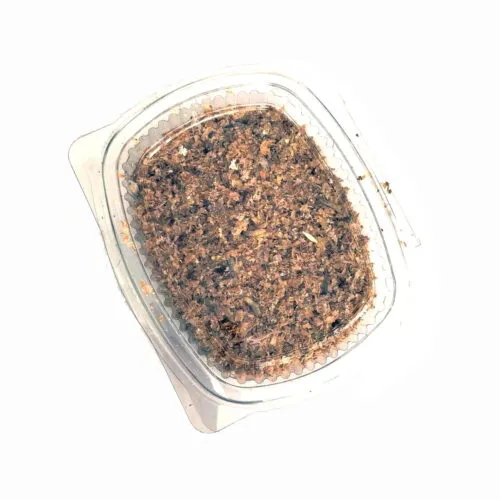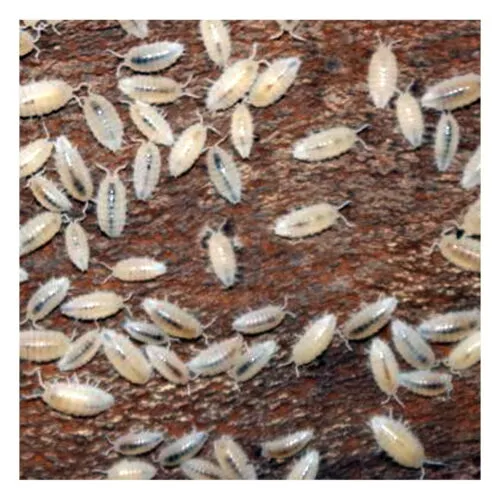
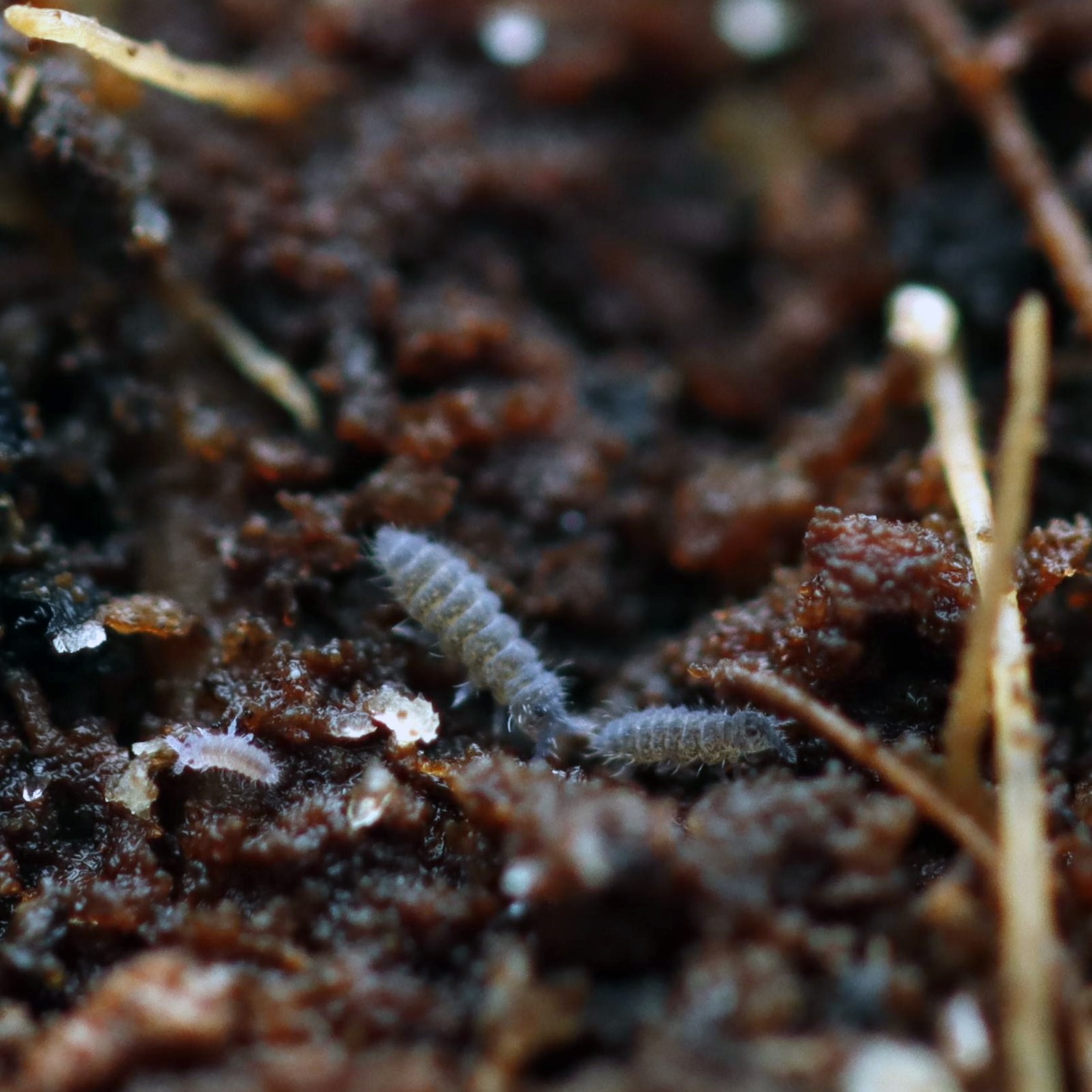
Ceratophysella sp. ‘Lilac’ (Springtails)
14,00€
🌱 The springtail Ceratophysella sp. ‘Lilac’ is ideal for bioactive terrariums. Its unique lilac color and ability to decompose organic matter help keep your ecosystem clean and balanced. 🐜 Easy to care for and perfect as live food.
⚠️ Important: Springtails, small and earth-colored, are difficult to distinguish. Avoid handling them roughly to prevent damage.
Technical Sheet of Springtail Ceratophysella sp. ‘Lilac’
Scientific Name: Ceratophysella sp.
Common Name: Lilac Springtail
Size: Between 0.5 and 2 mm
Coloration: Lilac with light shades, very distinctive.
Lifespan: Approximately 3-6 months, depending on environmental conditions.
Natural Habitat: Soil, leaf litter, decaying wood, and humid environments.
General Characteristics
The Ceratophysella sp. ‘Lilac’ is a springtail species known for its unique coloration, ranging from lilac to light purple. It is mainly found in humid environments and plays a key role in the decomposition of organic matter.
Main Uses
- Terrariums and Paludariums:
- Helps maintain a clean environment by feeding on decaying organic matter, fungi, and waste.
- Excellent for bioactive ecosystems.
- Aquariums:
- Perfect as live food for small species such as fish and amphibians.
Care in Captivity
Humidity:
- Requires high humidity (70-90%), mimicking its natural habitat.
- Avoid letting the substrate dry out.
Temperature:
- Ideal: 18-25 °C.
- Sensitive to extreme temperatures.
Substrate:
- Coconut fiber, peat-based soil, or sphagnum moss are ideal.
- Always keep the substrate moist, but not waterlogged.
Feeding:
- Fish flakes, brewer’s yeast, or small pieces of fruit and vegetables.
- Avoid overfeeding to prevent excessive mold buildup.
Ecosystem Benefits
- Biological Control: Prevents the proliferation of harmful fungi and organic waste.
- Natural Recycling: Transforms organic matter into essential nutrients for plants and other organisms.
Compatibility
- Can live with isopods, insects, and other organisms in bioactive terrariums.
- Non-aggressive and harmless to other species.
Reproduction
- Quick reproductive cycle, ideal for maintaining stable colonies.
- Lays eggs in moist substrate, and the young emerge in a few days.
Note: They are very easy to maintain and expand, making them an ideal choice for both hobbyists and professionals.
| Options | 100 ml |
|---|
Related products
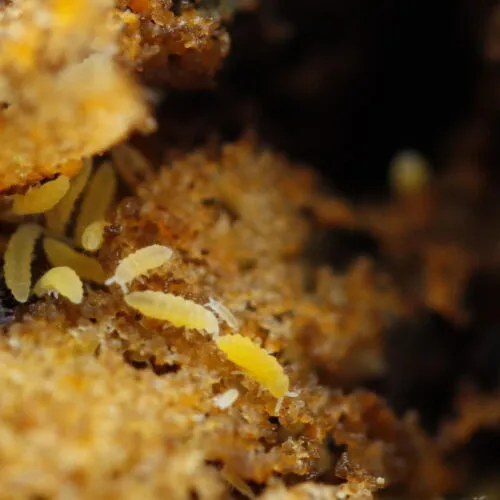
Ceratophysella sp. ‘Yellow Albino’ (springtail)
Springtails Ceratophysella sp. "Yellow Albino" are the perfect tiny allies to keep your terrarium clean 🌿. They act as a natural cleaning team, breaking down waste and maintaining the ecosystem's balance. Let your terrariums shine with life! 🐾
⚠️ Important: Springtails, small and earth-colored, can be hard to spot. Avoid rough handling to prevent harm.