

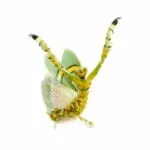
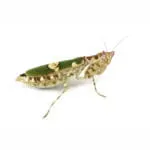

Creobroter gemmatus
Price range: 10,00€ through 25,00€
Descobreix el fascinant món de la Jewel Mantis: una criatura exòtica i enigmàtica que et convida a explorar el seu comportament únic. Submergeix-te en l’estudi del seu camuflatge, la seva agilitat en la caça i la seva bellesa captivadora. Una experiència que desperta la curiositat i et connecta amb la natura d’una manera inspiradora!
Technical sheet for Creobroter gemmatus
Scientific name: Creobroter gemmatus Common name: Jewel Mantis Taxonomic Classification:
- Kingdom: Animalia
- Phylum: Arthropoda
- Class: Insecta
- Order: Mantodea
- Family: Hymenopodidae
- Genus: Creobroter
Description: The jewel mantis is known for its striking coloration and exotic appearance. It has an elongated, slender body with long, spiny legs that provide excellent hunting capabilities. Its colors can vary between bright green, pink, red, and brown, depending on its environment and emotional state. Males and females can be differentiated by size, with males generally being smaller than females.
Distribution and habitat: This species is mainly found in tropical and subtropical regions of Asia, including countries like India, Thailand, Malaysia, and Indonesia. It prefers warm and humid habitats such as tropical forests, woodlands, and gardens.
Behavior and diet: The jewel mantis is an agile and opportunistic predator that feeds primarily on other insects such as flies, butterflies, crickets, and other small invertebrates. It uses its camouflage and mimicry to stalk its prey, patiently waiting for the right moment to strike with its powerful front legs. They are known for their territorial behavior and may show aggression towards other individuals of the same species.
Reproduction: Reproduction in jewel mantises follows a similar pattern to other mantis species. Courtship may involve visual displays by the male to attract the female. Once mating occurs, the female lays her eggs in an ootheca, which she protects until the offspring hatch.
Ecological importance: Jewel mantises play an important role in ecosystem balance by controlling insect populations, thus helping to maintain the balance of the food chain.
| Options | L3-L4, Sexed pair |
|---|
Related products
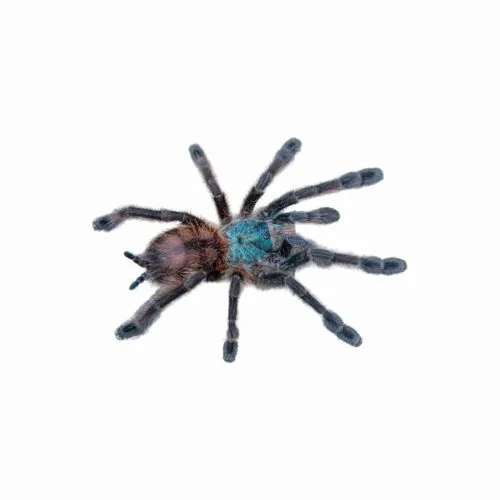
Caribena versicolor
Discover the charming Caribbean versicolor tarantula for your terrarium. With its beautiful coloration, it is a perfect addition for any spider fan. We recommend having previous experience with tarantulas or arachnids in general. Bring beauty and fascination to your space with this captivating species.